Fine Art nominee
shyam ganju
I Went Looking for Myself and Found Only Smoke (Series)
DESCRIPTION
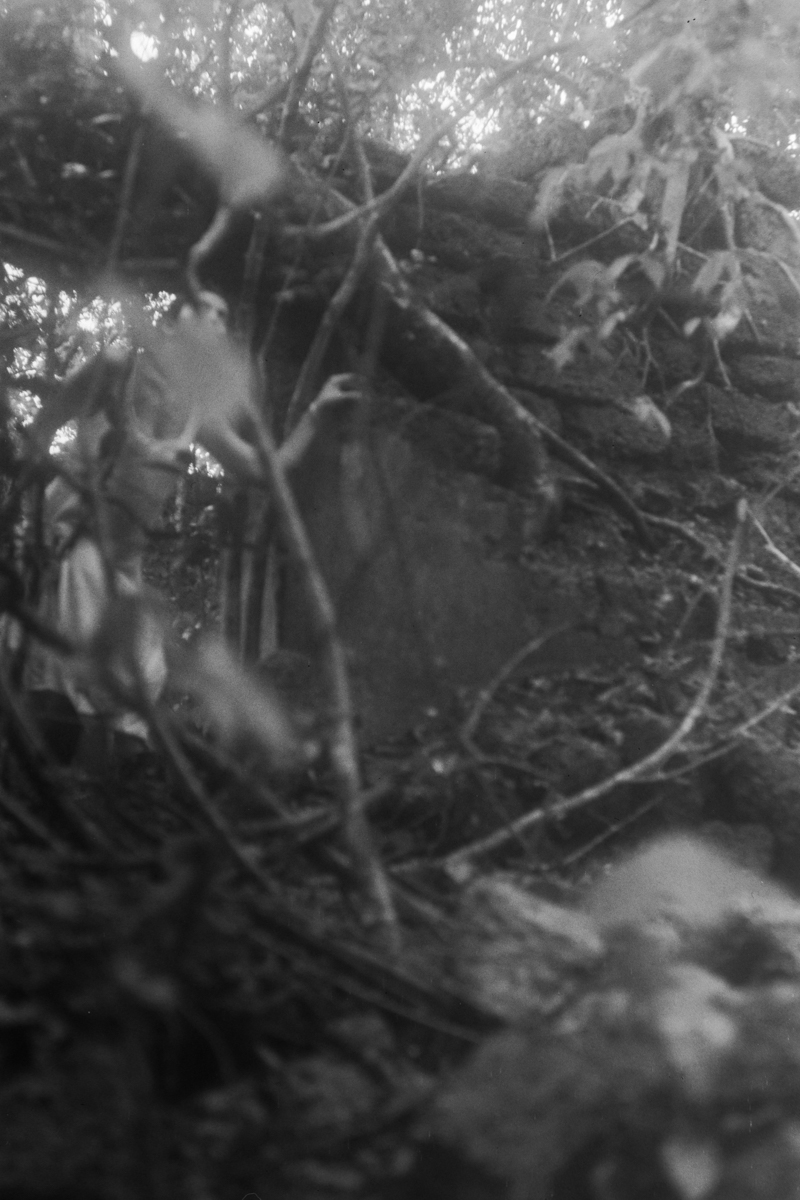
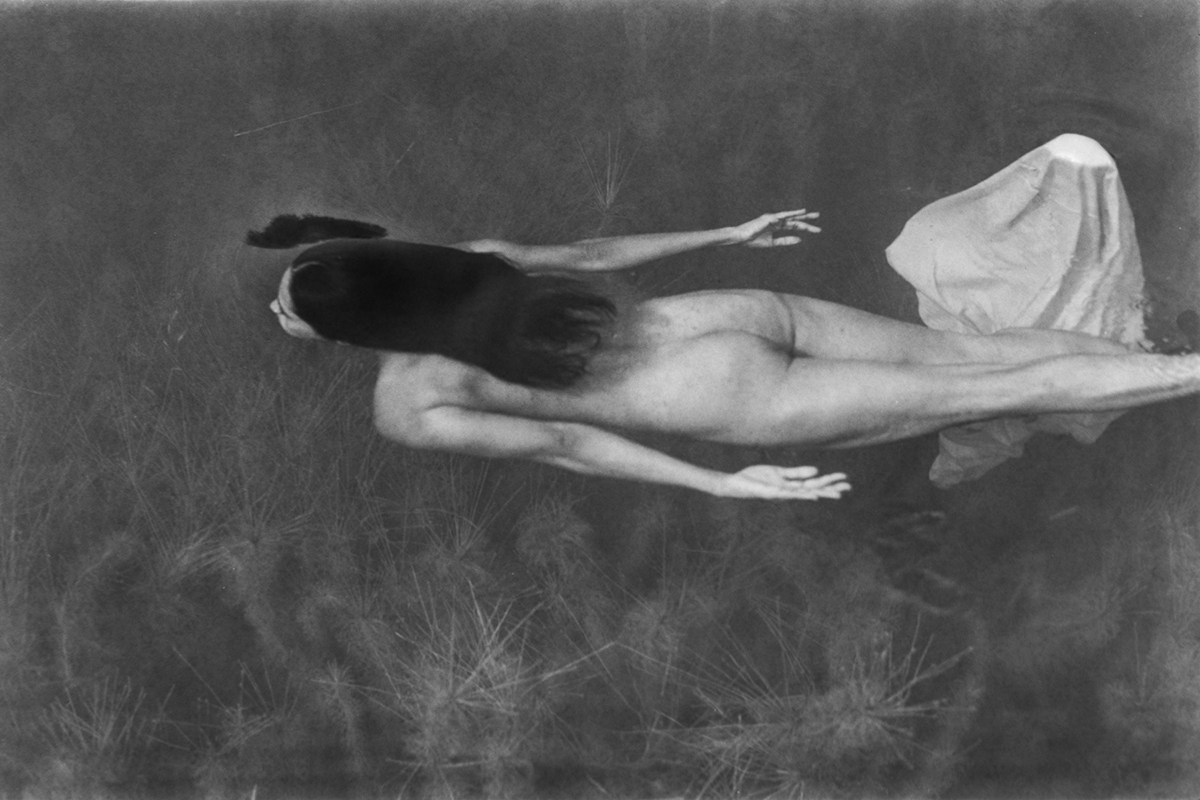
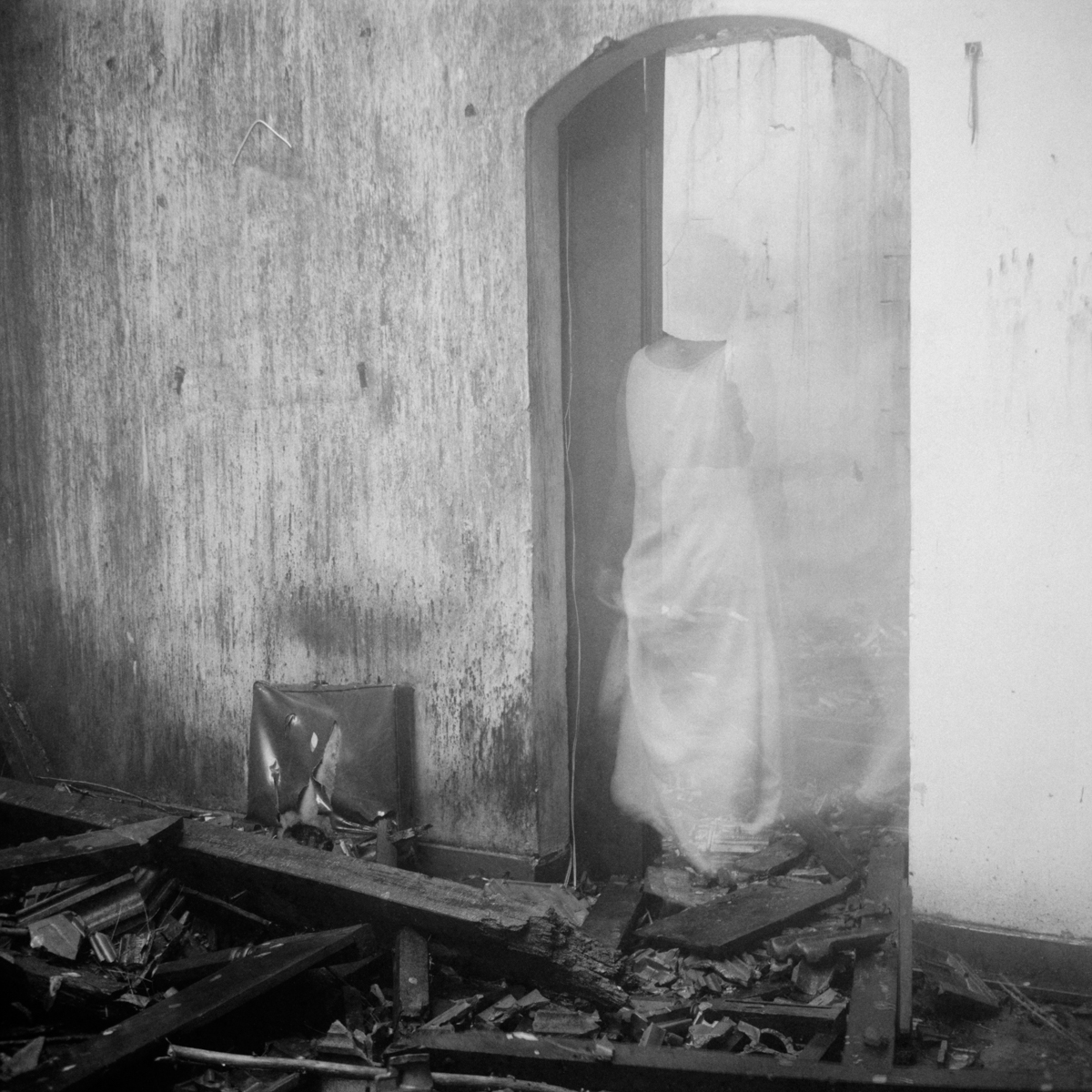
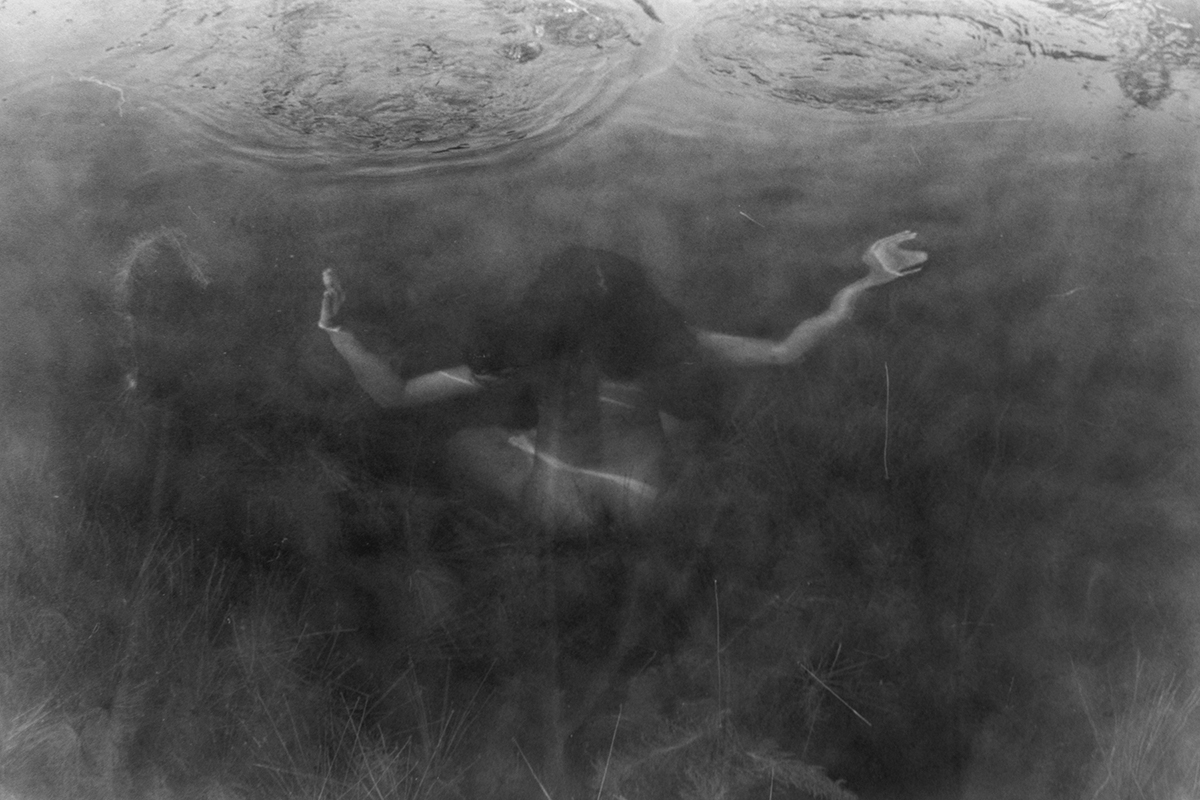
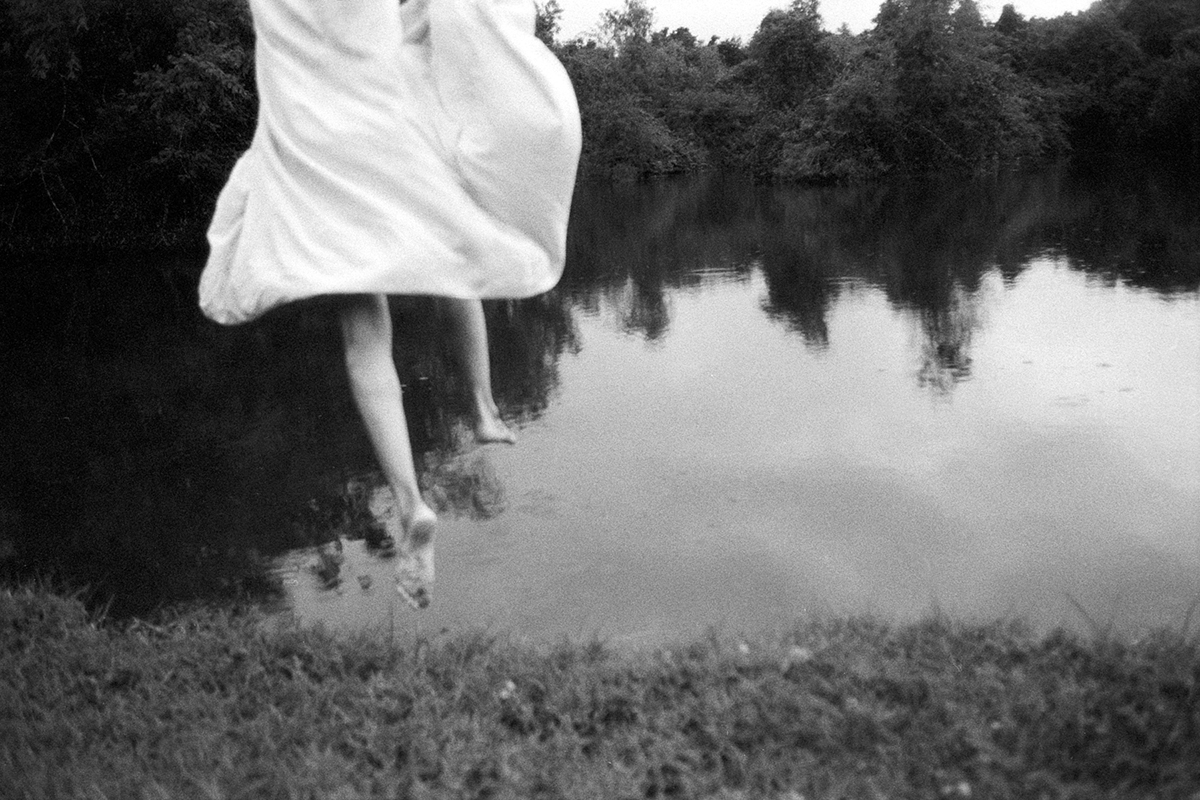
'I Went Looking for Myself and Found Only Smoke' is a photographic meditation on the poetry of Kabir and the quiet teachings of Buddhist thought. Shot entirely on black and white film, the series engages directly with selected poems, translating their layered meanings into visual form. It explores impermanence, emptiness, and the shifting nature of self through images shaped by tonality, grain and movement.
Kabir’s verses often dissolve the boundary between the seeker and the sought, revealing the self as a flickering illusion. These photographs follow that thread, leaning into abstraction and subtle detail to evoke moments of disorientation, stillness, and emotional residue. Grief runs through the work not as despair, but as a necessary unraveling—a process of shedding what no longer holds, to make room for what might emerge.
The work marks a quiet turning inward—a mapping of transitions, of forms in flux. Figures blur, objects lose definition, light breaks apart across surfaces. In these spaces of uncertainty, the work asks not what can be known, but how to dwell within the unknown and witness change as it unfolds.
AUTHOR
Shyam Ganju (b. 1980, Melbourne, Australia) is a photographer and painter whose practice spans over 25 years, working at the intersection of documentary and art. Rooted in analogue methods, his photographic work is grounded in a strong technical understanding of film and camera processes. It embraces imperfection, slowness, and the quiet unpredictability of film — a way of seeing shaped by patience and attention.
Shyam's painting draws from street art and abstract impressionism. His process values instinct over control and embraces the unpredictable energy of gestural mark making, capturing a fleeting moment of emotion as it moves through the body.
Across both mediums, he works primarily in black and white, exploring the expressive language of tone and contrast, where tension between light and shadow reveals a deeper narrative, and subtle shifts in tonality become central to how meaning unfolds. His work often maps the residual energy of places and emotions — tracing what lingers beneath the visible, the felt but unspoken.
Shyam sees art not just as a space for reflection, but as a tool for confronting injustice and contributing to change. His work has been exhibited at ACMI and is held in the National Gallery of Australia.
←
back to gallery